
Challenges and Solutions in Solar Panel System Design
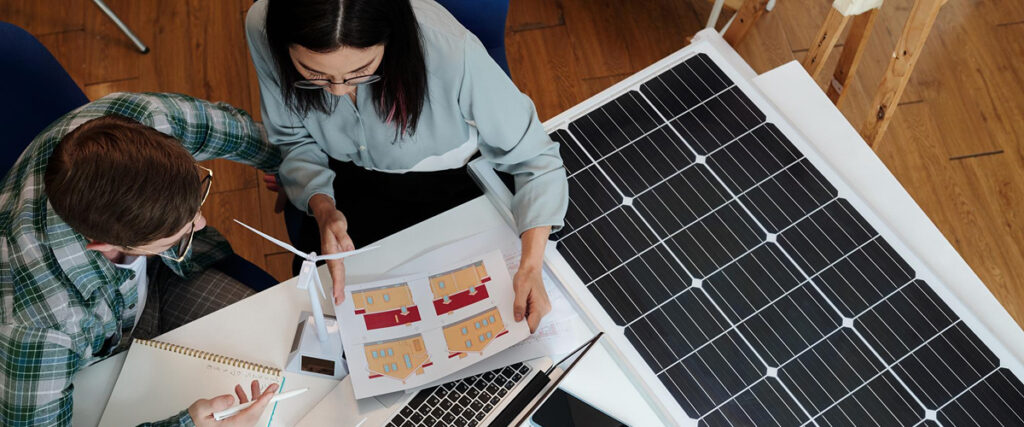
The need for renewable energy is ever increasing in the global markets and the design of solar panel systems is one of the important components of the modern energy infrastructure. Homeowners, businesses and industries are highly incorporating the use of solar solutions to cut on the cost of electricity and reduce the number of carbon emissions. Nevertheless, the design of solar PV systems design is an art that must be planned with care and precision and must employ sophisticated engineering tools. The engineers and designers must address various technical and environmental issues to make sure that the work of solar installations is optimized.
This blog examines the typical pitfalls that may be experienced during the design of solar panels as well as the viable remedies to overcome them.
1. Space Constraints and Site Assessment
One of the biggest challenges in solar panel system design is determining whether a location is suitable for solar installation. The buildings can lack a considerable amount of roof space, structural constraint, or shading of neighboring buildings and trees. The location choice may make the system very ineffective.
Solution:
Modern design programs and simulation aid the engineers in conducting in-depth site assessment. These tools assess the orientation of the roof, the angle of the tilt, shadows, and surface area. Through digital modeling and solar simulation technology, the designers are able to optimize the positioning of panels and guarantee energy generation on a maximum scale even when the area is minimal.
2. Precise Energy Demand Estimation
The other significant issue during the design of solar PV systems is the correct estimation of the required energy in the building or facility. This is because underestimation of demand might result in inadequate power production and overestimation of demand may cause unnecessary expenses and excessive systems.
Solution:
The energy consumption analysis tools assist the designers in estimating the past use of energy and predicting the future of energy requirements. Load analysis and smart monitoring systems enable engineers to develop systems that are balanced in terms of performance, efficiency as well as cost. This makes sure that the solar setup also provides the appropriate energy without unjustified spending.
3. Tilt Optimization and Panel Orientation
The orientation and tilt of the panels has a huge influence on the performance of a solar power system. Angles that are not correct may greatly decrease the energy generated. The position of the panels is influenced by the geographical location, season and the change of the sun position.
Solution:
Solar trajectory analysis and automated modeling tools are applied by design engineers to establish the optimal tilt and orientation to receive the maximum sunlight. The current design platforms have the capability of simulating the path of the sun over a period of a year enabling designers to determine the optimal panel set up that would produce steady power.
4. Integration with Existing Infrastructure.
Integrating solar power systems into the current electrical systems may be complicated. Installation may run into compatibility problems with inverters, wiring systems and grid connections. Lack of correct integration may result in inefficiencies of the system or safety issues.
Solution:
Integrated design and engineering platforms enable electrical layouts of the solar panel to be planned by the engineers. These tools assure compatibility among the parts of the system, e.g., inverters, batteries, and grid connections. Elaborate digital designs also minimize the errors that are made during the installation and simplify the project implementation.
5. Environmental and Weather Conditions
The performance of solar PV systems design is largely influenced by the environmental conditions. The weather conditions, dust deposits, extreme weather, heavy rains, and wind loads may affect the performance and durability of panels.
Solution:
The engineers have to involve the environmental information in the design. Structural simulation may assist in establishing the right mounting systems and materials that should be used to resist the local weather. Also, high-quality panels which are anti-soiling coated and well ventilated are chosen to enhance long-term efficiency and reliability.
6. System Maintenance and Monitoring
Even properly designed solar systems may have performance problems over time in case maintenance is not well planned. Poor wiring, inverter breakdowns or panel deterioration can cause system power output to decrease.
Solution:
The solar systems of the modern world are equipped with intelligent monitoring systems which monitor performance in real time. These systems provide alerts on inefficiencies or faults so that maintenance can be done in due time. Predictive maintenance systems are also useful to prolong the life of solar installations as well as to sustain the production of energy.
Conclusion
To develop effective solar installations, one has to overcome a number of technical hurdles, starting with assessment of the site, up to system integration and maintenance over time. The system design of solar panels is designed in a manner to produce maximum energy, which will be cost effective and there will also be a system reliability.
Using high-level digital design tools, simulative technologies and smart monitoring systems, engineers are able to solve the complexity associated with the design of solar PV systems. With the ever-increasing solar uptake in the world, innovative design solutions will be one of the major ways of providing renewable energy in the future in a sustainable and efficient manner.